
Cyber Security
 Security
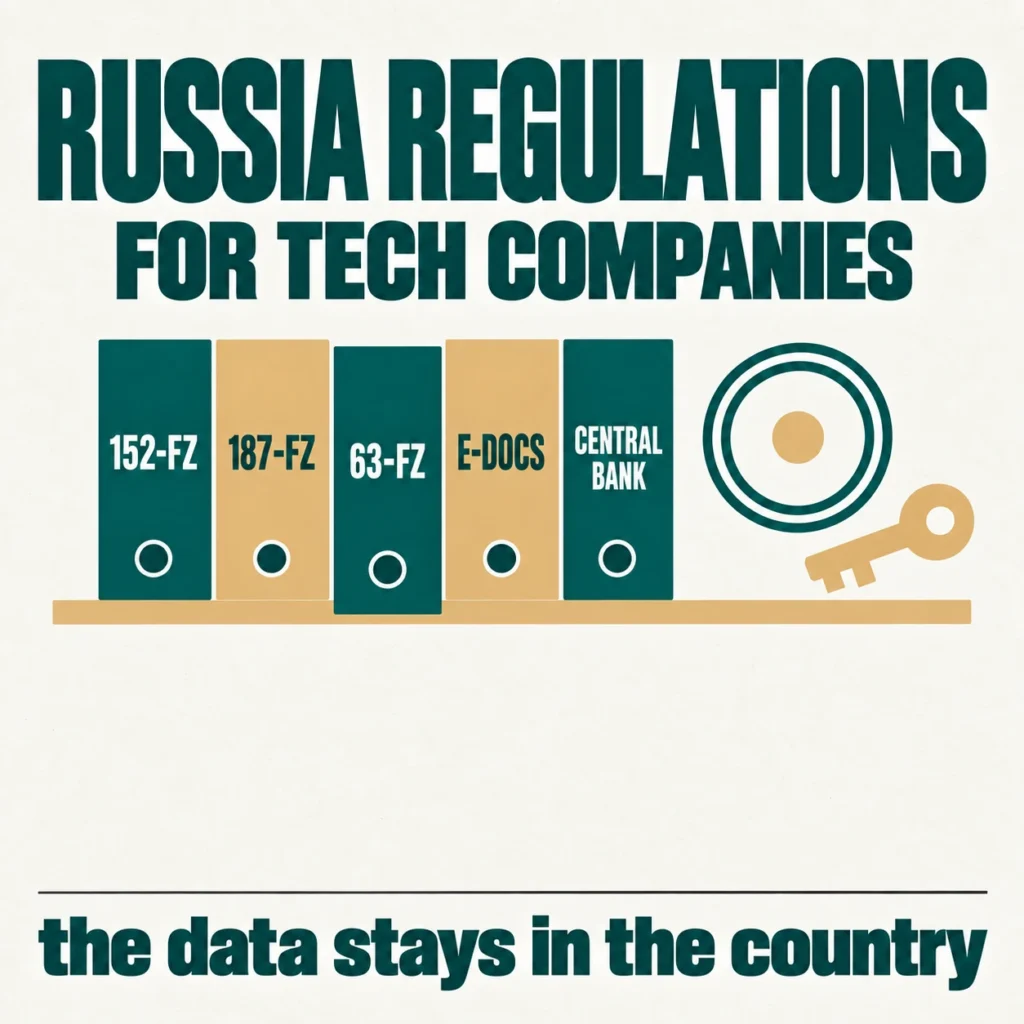
This is the fourth article in a series on what a technology company faces in different regions. The earlier ones covered the UAE, the Gulf and Egypt and the CIS. Russia regulations get an article of their
 Security
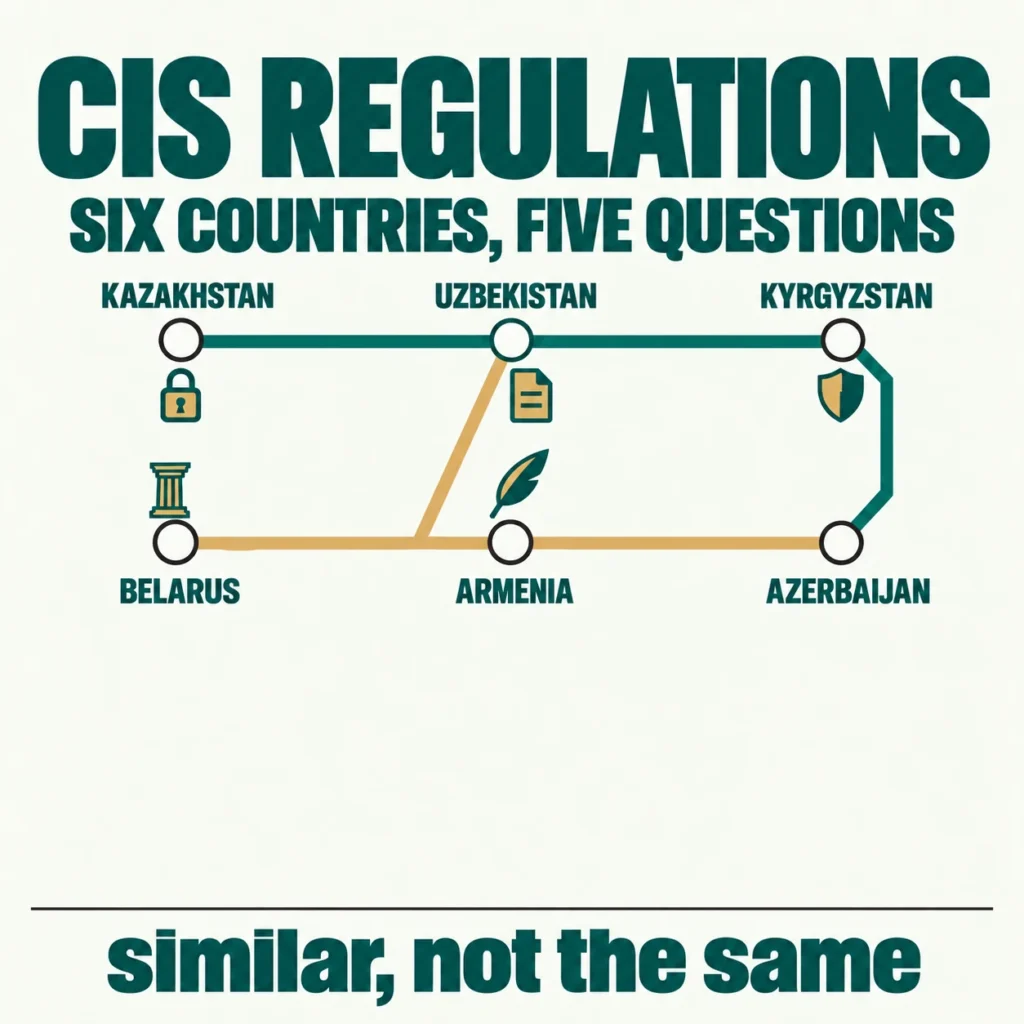
This is the third article in a series on what a technology company faces in different regions. The first two covered the UAE and the Gulf and Egypt; this one covers CIS regulations: Kazakhstan, Uzbekistan
 Security
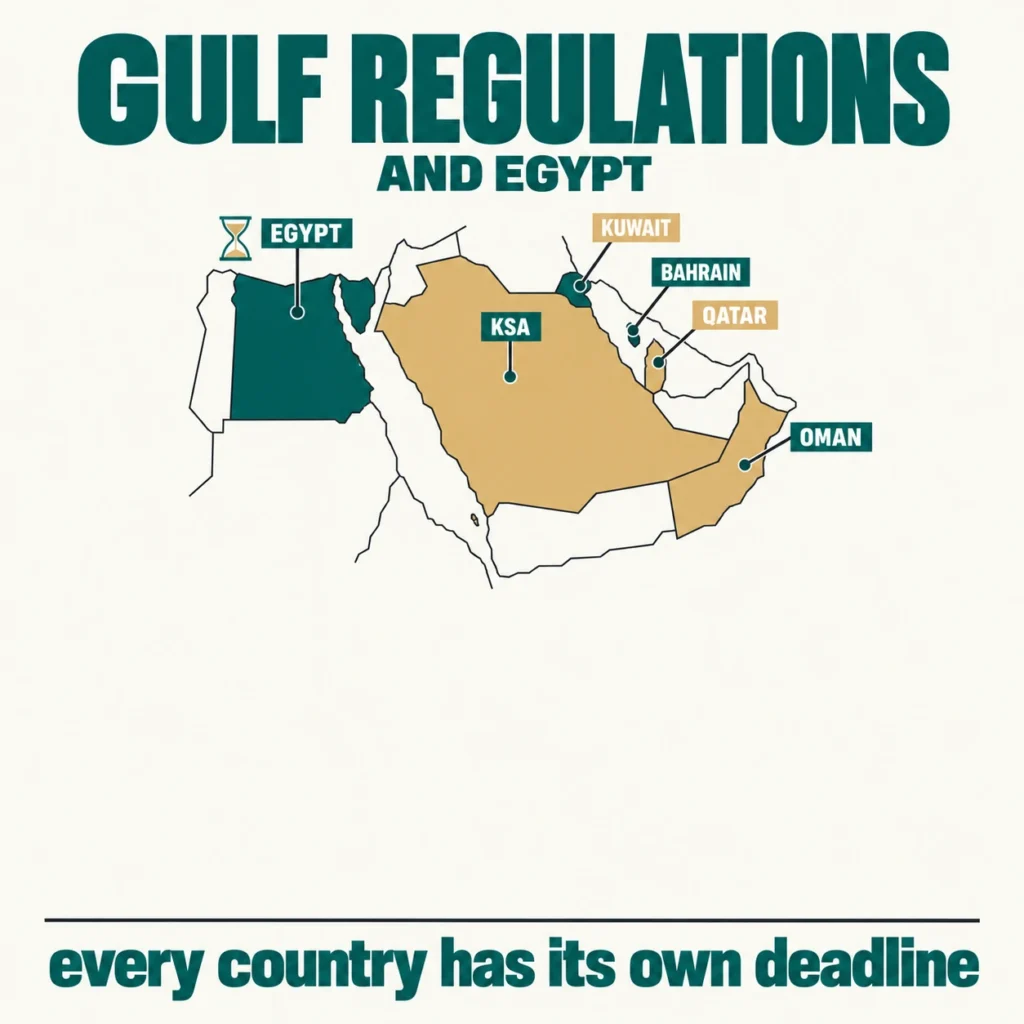
This is the second article in a series on what a technology company faces in different regions. The first covered the UAE; this one covers Gulf regulations and Egypt: Saudi Arabia, Qatar, Bahrain, Oman, Kuwait and Egypt.
 Security
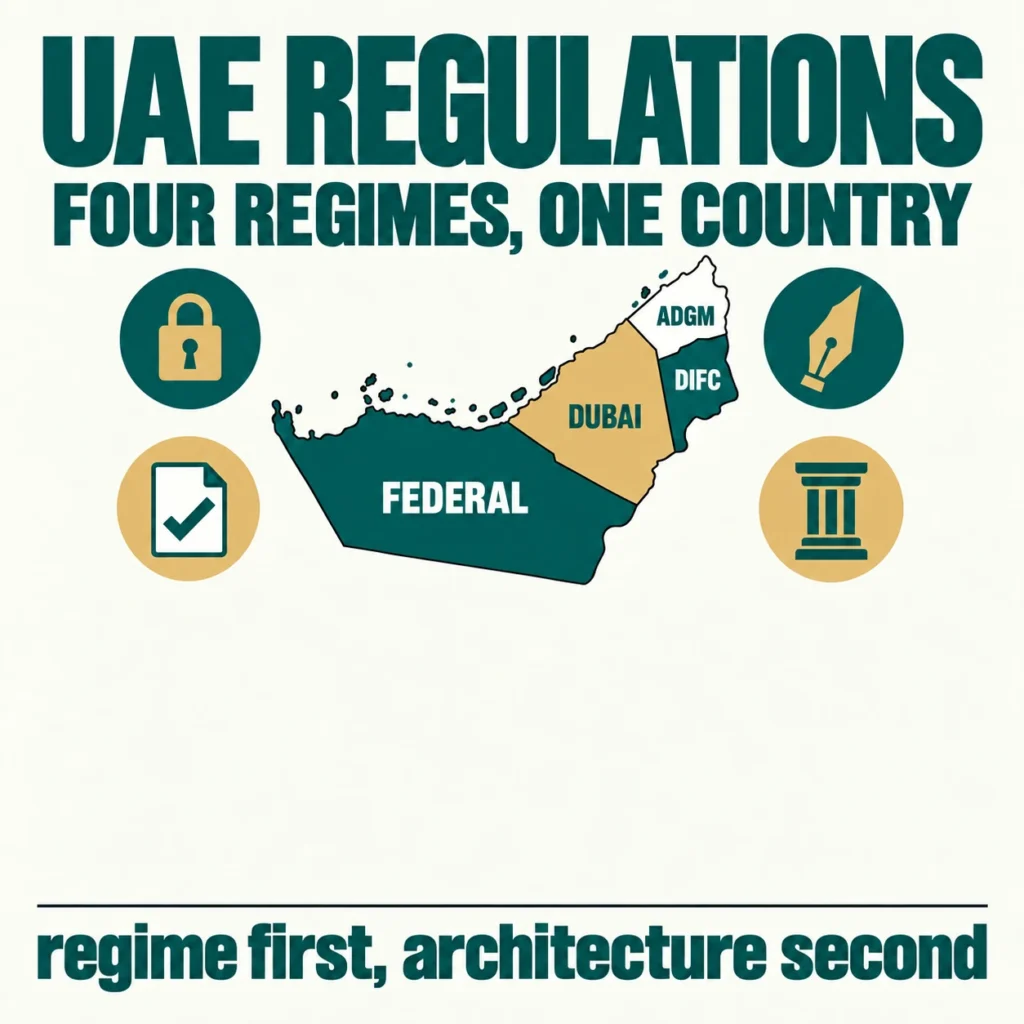
I work from Dubai Airport Free Zone, and in the article on fintech I wrote that the region’s rules add up to “constraints that must shape your cloud-region choice before the first line of code, not after.”
 Digital
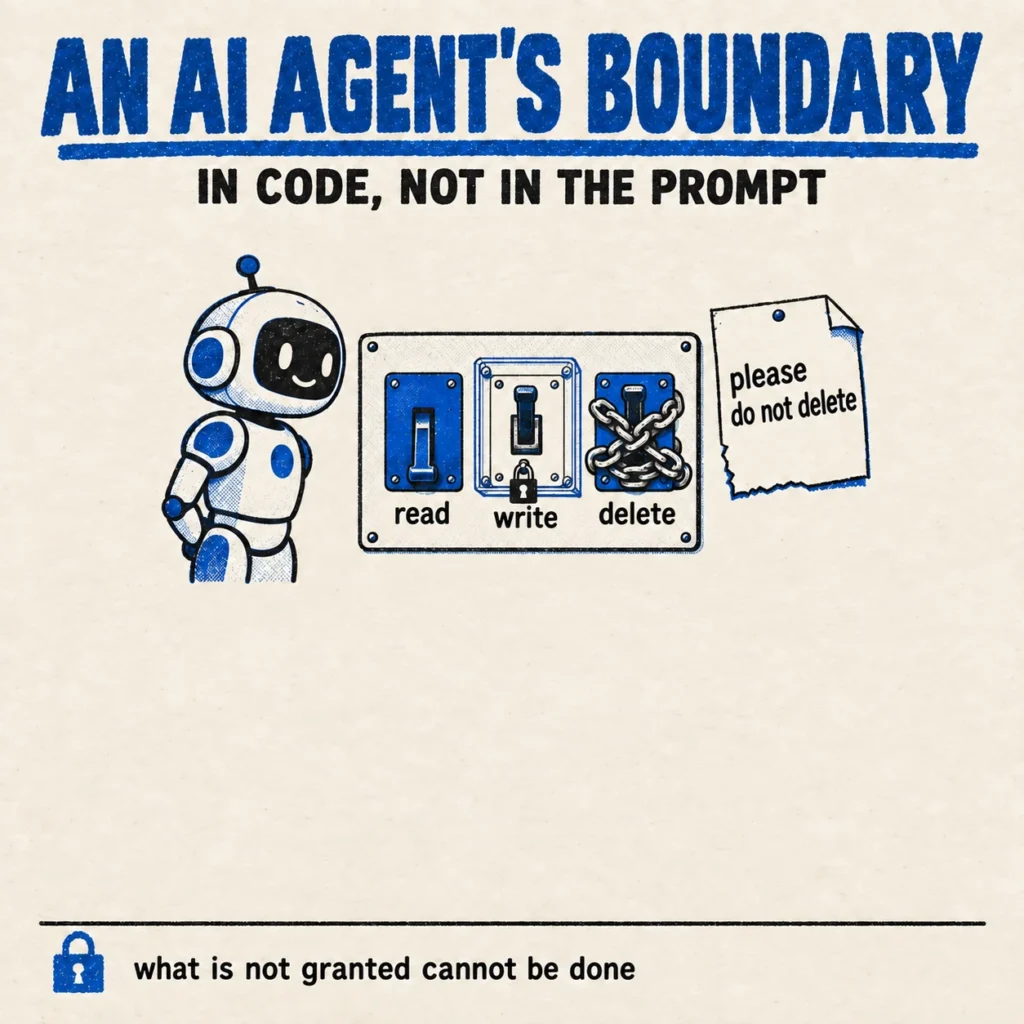
I run AI agents with access to my site and infrastructure: they edit and publish articles, clean up the media library, rebuild reports, and log into servers over SSH. This article is about where the boundary
 Security
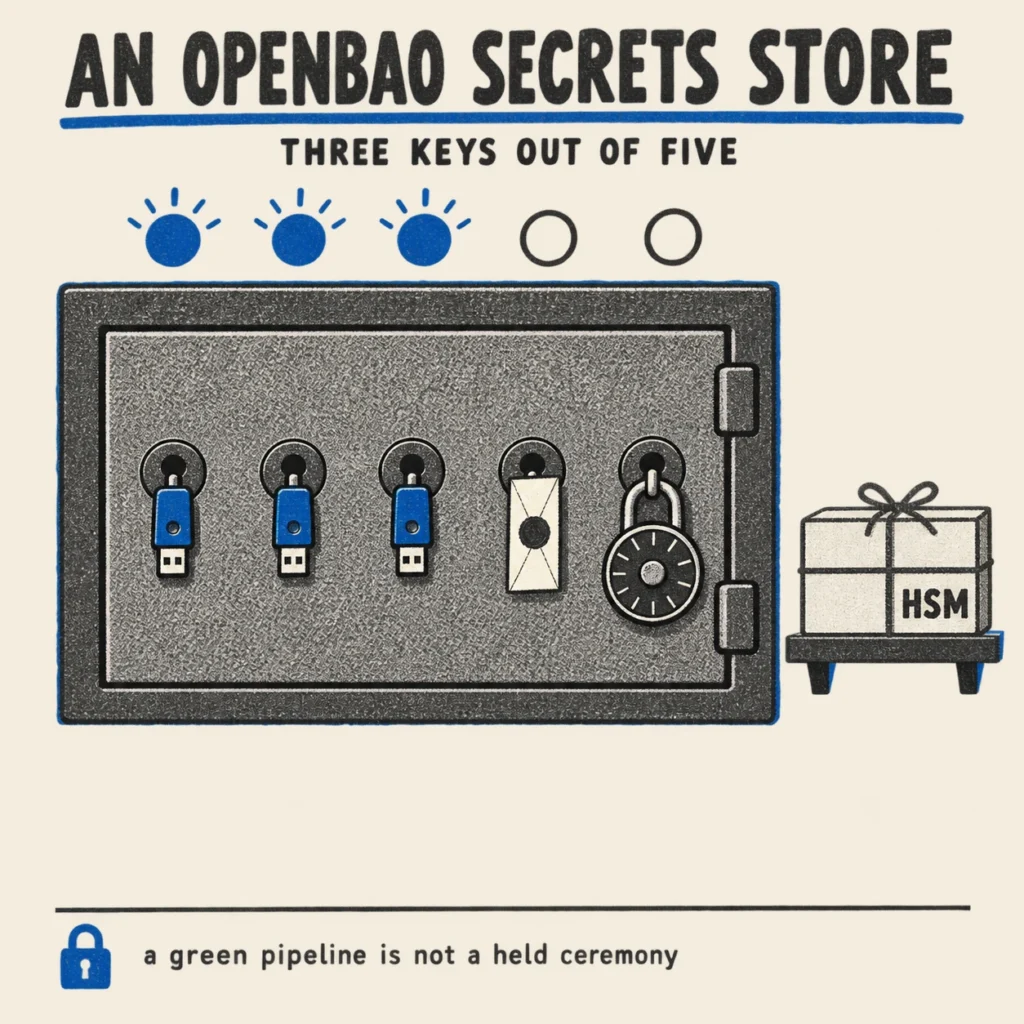
This is an article about a secrets store I have built and not yet opened. The deployment pipeline is finished, all five share holders have passed the rehearsal, and the initialisation ceremony, after which
 Digital
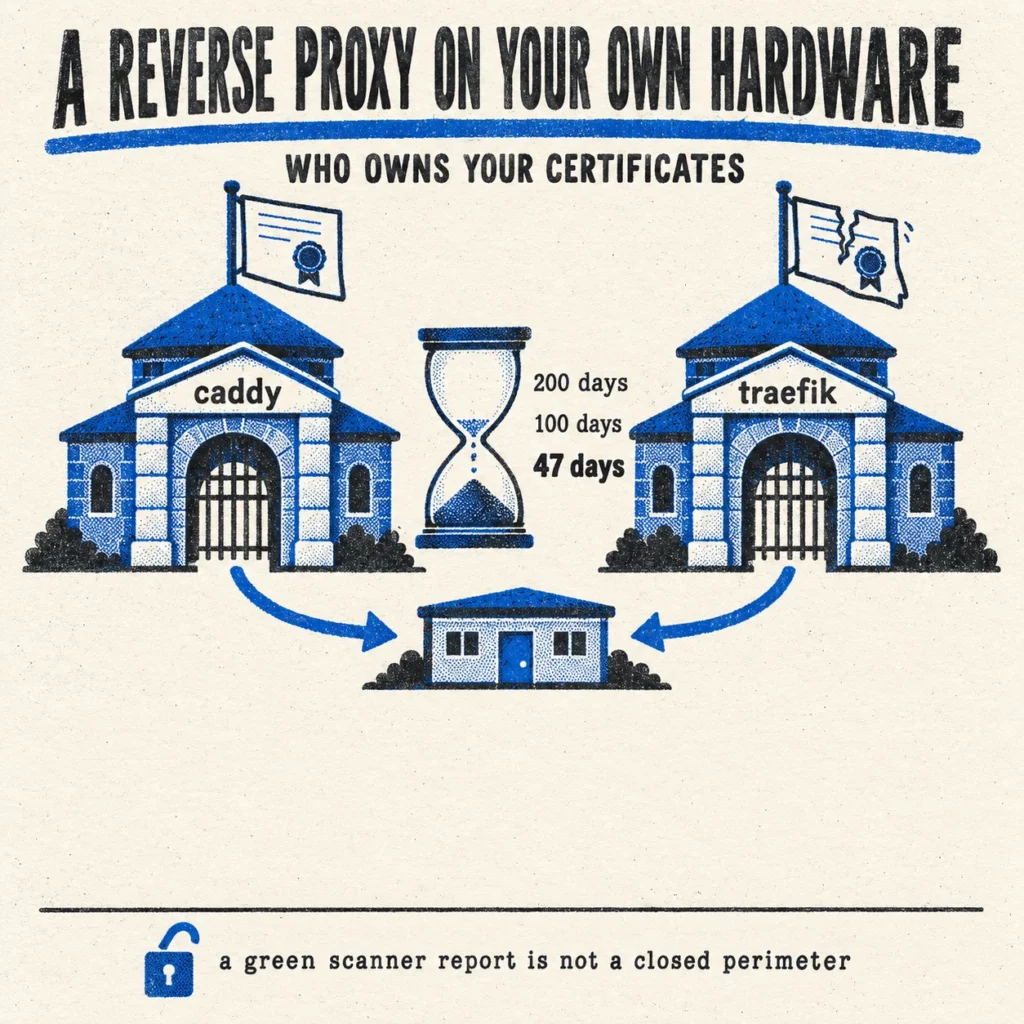
What belongs in front of your services is not the fastest reverse proxy but the one whose defaults you are willing to live with for three years. Defaults, not feature tables, decide what happens to you
 Digital
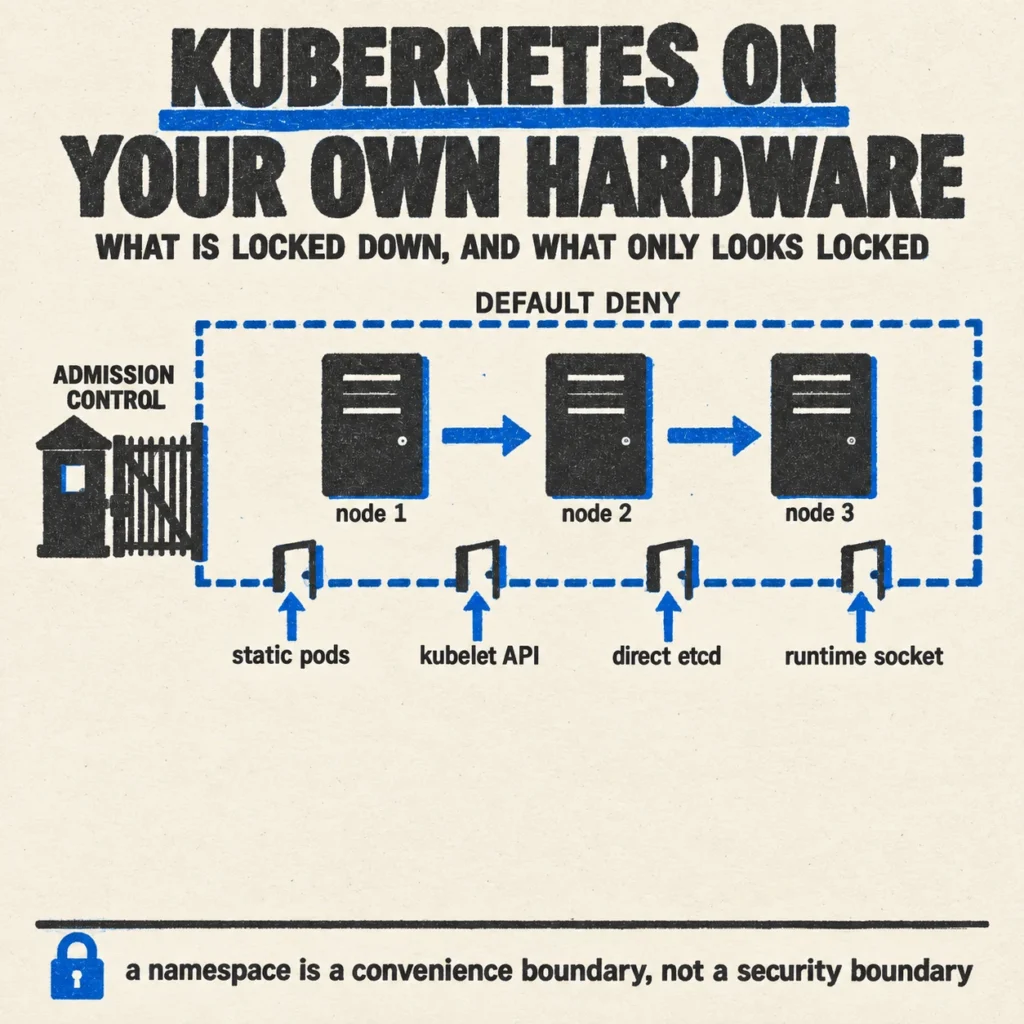
Most companies that ask me about Kubernetes do not need a Kubernetes cluster. That is the first thing I say on the call, and half of those conversations end there, to everyone’
 Digital
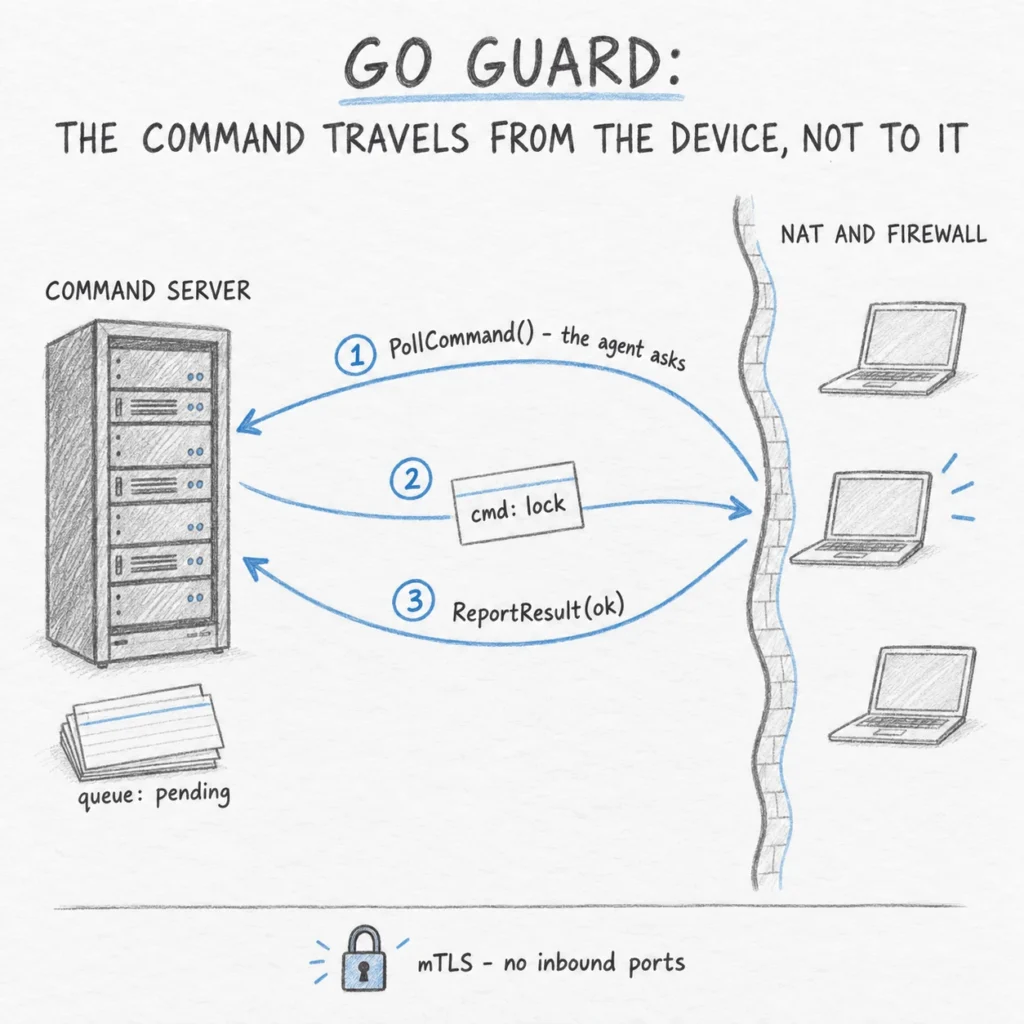
An employee left a laptop in a taxi on Friday evening. The machine goes into lockdown from the panel, which also shows whether disk encryption is on and where the device was last seen, and the decision
 Security
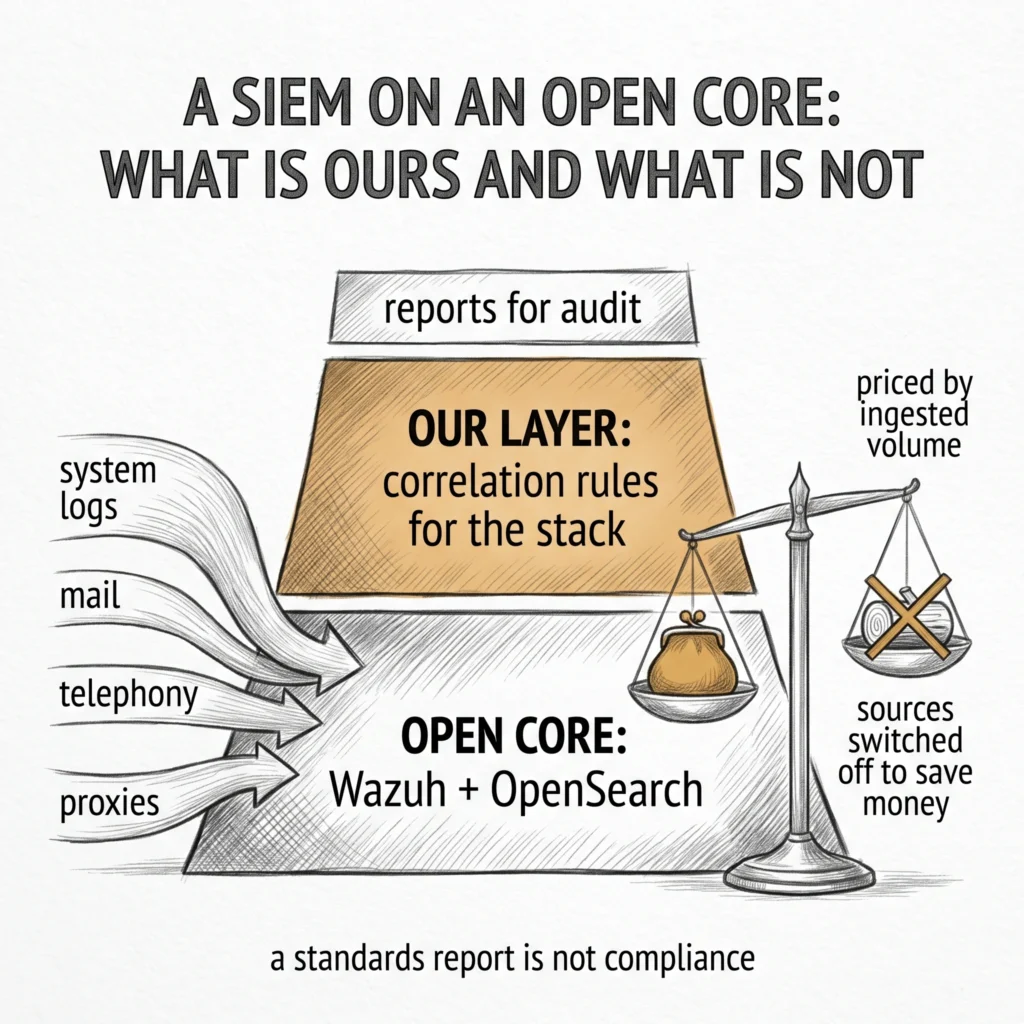
When a contractor calls a SIEM “our own product”, it is worth asking what exactly is theirs. In our case the answer is this: ours is the layer on top of an open core, not a rewritten engine.
 Digital
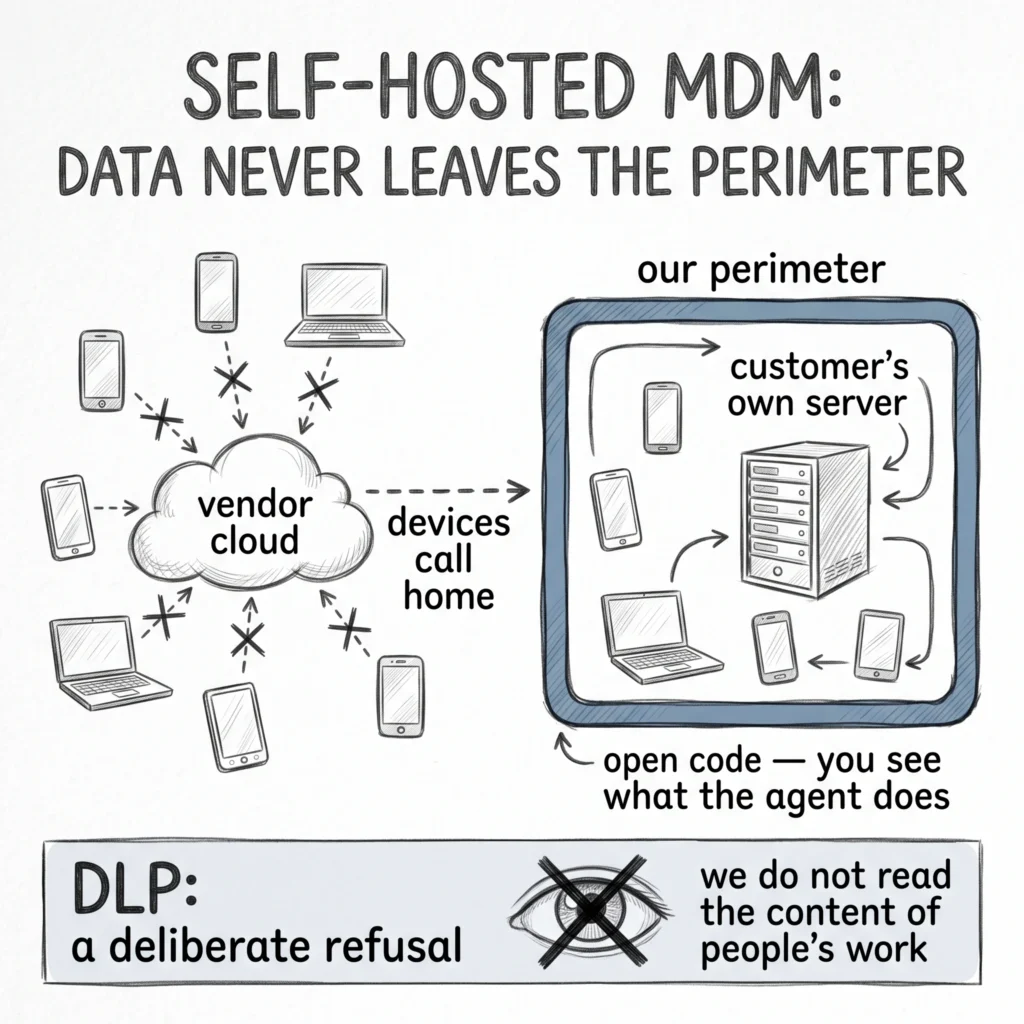
Device fleets are usually managed with Intune, Jamf or Hexnode, and in most cases that is the right call. We built a self-hosted MDM not because the ready-made ones are bad, but because for our profile
 Security
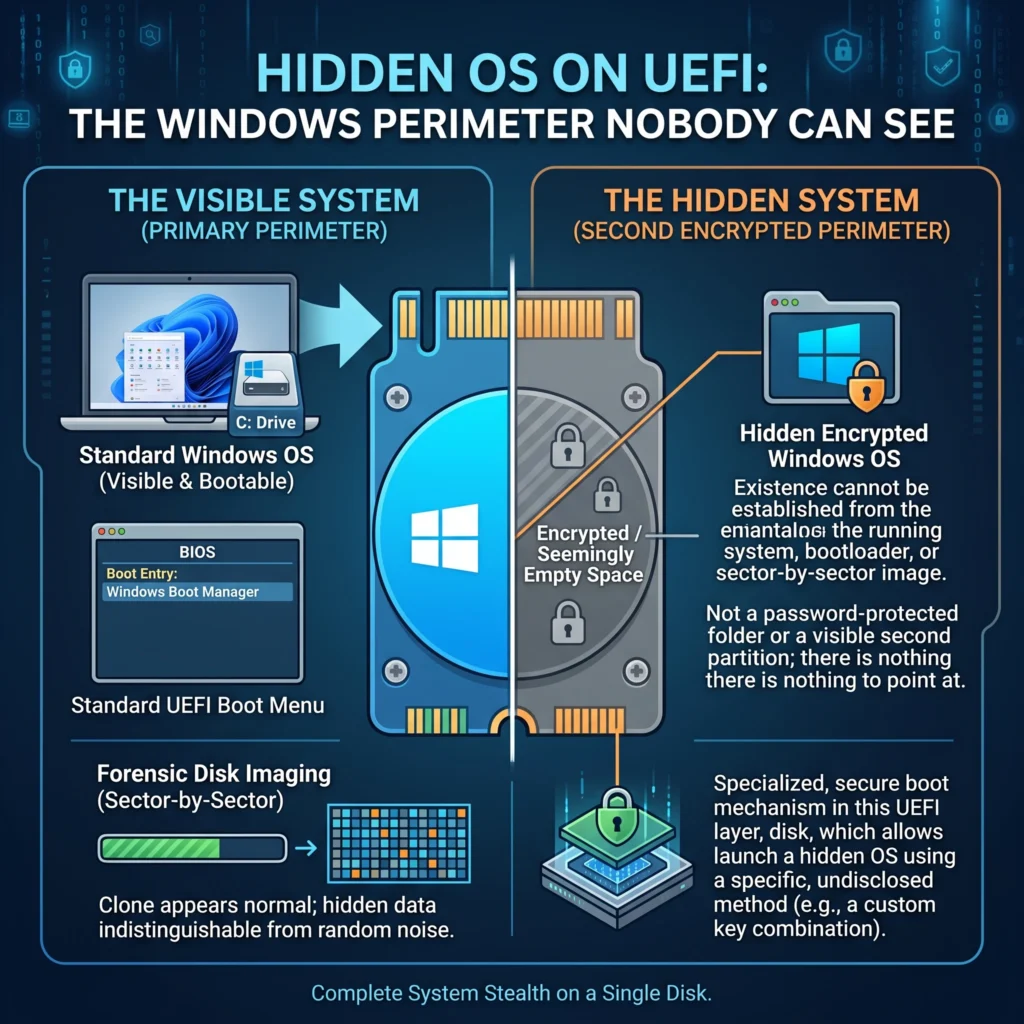
A hidden OS is a second encrypted Windows perimeter on the same disk of an ordinary laptop, whose existence cannot be established from the running system, from the bootloader, or from a sector-by-sector disk image.